
Table of Contents
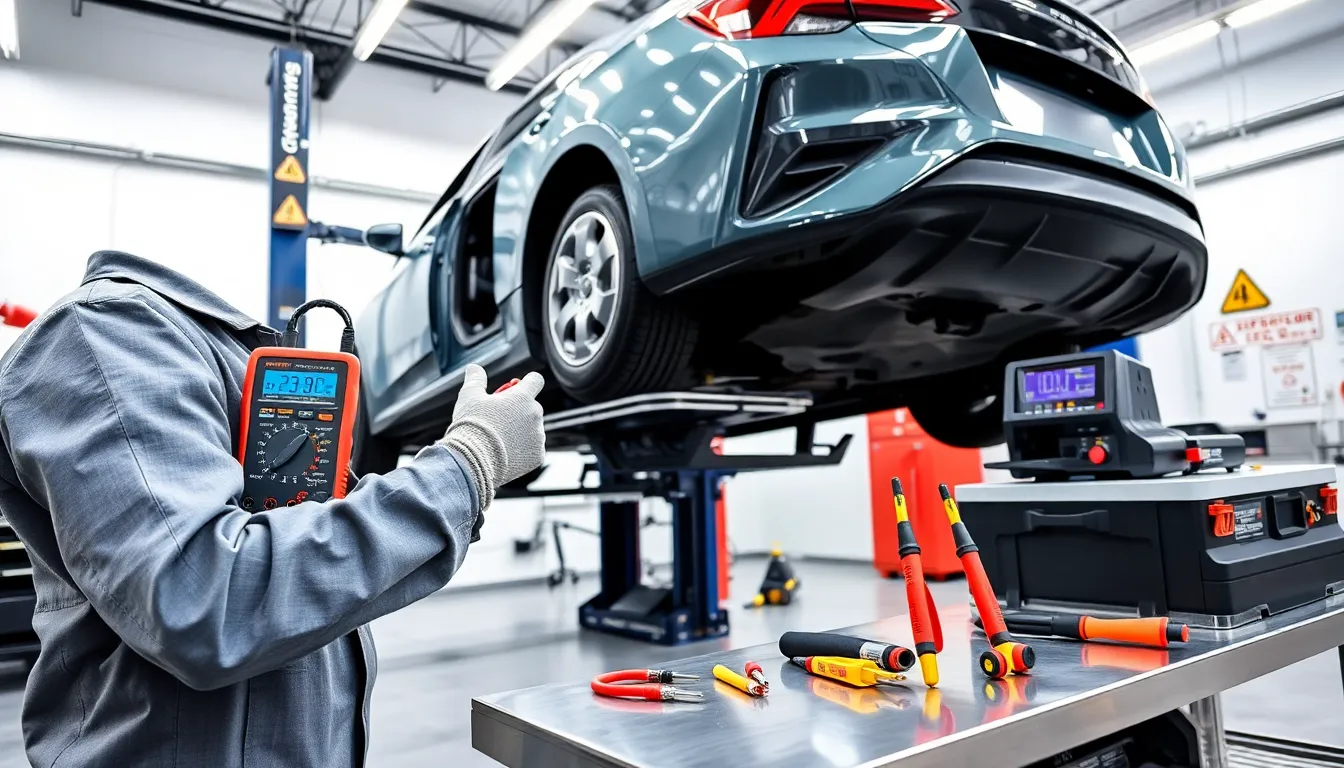
ToggleElectric vehicles tools differ significantly from traditional automotive equipment. The high-voltage systems, specialized components, and unique maintenance requirements of EVs demand a specific set of instruments. Whether someone owns an EV or works as a professional mechanic, having the right tools ensures safety and efficiency. This guide covers the essential electric vehicles tools that belong in every toolkit, from safety gear to diagnostic equipment and specialized hand tools.
Key Takeaways
- Electric vehicles tools must be rated for high-voltage systems (400V–800V), with CAT III or CAT IV insulation to prevent electrical shock and arc flash hazards.
- Safety gear—including Class 0 insulated gloves, arc-rated face shields, and insulated hand tools meeting IEC 60900 standards—is the first essential investment for EV work.
- Diagnostic equipment like high-voltage multimeters, battery analyzers, and thermal imaging cameras helps identify issues in EV batteries, motors, and charging systems.
- Specialized tools such as hydraulic battery lifts, digital torque wrenches, and terminal crimpers are necessary for safely handling heavy EV components and ensuring reliable connections.
- Building an electric vehicles tools kit should start with safety equipment ($200–400), followed by a quality multimeter ($150–300), then expand based on work volume and budget.
- A professional-grade EV toolkit costs $5,000–$15,000, while home mechanics can start with essentials for under $1,000.
Understanding the Unique Tool Requirements for EVs
Electric vehicles operate on fundamentally different principles than gas-powered cars. Their powertrains include high-voltage battery packs, electric motors, and sophisticated power electronics. These components create specific demands for electric vehicles tools.
First, voltage matters. Most EVs run on 400V to 800V systems. Standard automotive tools aren’t rated for these levels. Using improper equipment risks electrical shock, arc flash, or equipment damage. Every tool that contacts electrical components needs proper insulation ratings, typically CAT III or CAT IV for 1000V AC or 1500V DC.
Second, precision counts. EV batteries contain hundreds of individual cells. Diagnosing issues requires tools that can measure small voltage differences across cells and detect subtle temperature variations. Traditional multimeters often lack the resolution needed for this work.
Third, weight considerations apply. Battery packs can weigh over 1,000 pounds. Removing or servicing them requires lifting equipment, support stands, and transport carts rated for these loads. Improvising with standard jacks or supports creates serious safety hazards.
The shift to electric vehicles tools also means mechanics need updated training. Understanding how to safely de-energize systems, test for residual voltage, and handle lithium-ion batteries prevents accidents before they happen.
Must-Have Safety Equipment for EV Work
Safety equipment tops the list of essential electric vehicles tools. High-voltage systems require respect, and proper protective gear provides the first line of defense.
Insulated Gloves
Class 0 or Class 00 insulated gloves rated for 1000V or higher are mandatory. These gloves should be tested every six months to verify their integrity. Leather protector gloves worn over the insulated pair prevent punctures and cuts. Never use gloves with visible damage, cracks, or holes.
Insulated Hand Tools
Every wrench, screwdriver, and plier that might contact live circuits needs proper insulation. Look for tools meeting IEC 60900 standards with the distinctive red and yellow insulation. A basic insulated tool set includes screwdrivers (flat and Phillips), combination wrenches, pliers, wire strippers, and socket sets.
Safety Mats and Barriers
Insulated floor mats create a safe work zone around high-voltage areas. These mats prevent current from passing through the technician’s body to ground. Barrier tape and warning signs mark off work areas and alert others to potential hazards.
Face Shields and Safety Glasses
Arc-rated face shields protect against arc flash events. Safety glasses rated for electrical work should be worn at all times. Some technicians prefer combination face shield and hard hat systems for full protection.
Rescue Hooks
Every EV service area should have a rescue hook mounted nearby. If someone contacts a live circuit, a rescue hook allows others to pull them away without touching them directly. This simple tool can save lives.
Diagnostic and Charging Tools
Diagnosing EV issues requires specialized electric vehicles tools that go beyond standard OBD-II scanners. These instruments help identify problems with batteries, motors, inverters, and charging systems.
High-Voltage Multimeters
A CAT III or CAT IV rated multimeter handles the voltage levels found in EVs. Quality models measure DC and AC voltage, resistance, continuity, and temperature. Some include data logging features to track readings over time. Fluke, Klein, and Amprobe offer reliable options.
Battery Analyzers
Battery analyzers test individual cell health, state of charge, and capacity. Advanced units communicate with the vehicle’s battery management system to retrieve diagnostic codes and cell-level data. These tools identify weak cells before they cause larger pack failures.
Insulation Resistance Testers
These testers verify that high-voltage systems remain properly isolated from the vehicle chassis. Any breakdown in insulation creates shock hazards. Regular testing catches problems early.
Thermal Imaging Cameras
Infrared cameras detect hot spots in battery packs, connections, and power electronics. Overheating components often indicate failing parts or poor connections. Thermal imaging provides quick visual diagnosis without physical contact.
Portable EV Chargers
Service centers need Level 2 chargers and access to DC fast charging for vehicle testing. Portable chargers allow flexibility in the shop. Some diagnostic procedures require specific charge levels, making adjustable charging equipment valuable.
Specialized Hand Tools for Electric Vehicles
Beyond safety and diagnostic equipment, several specialized electric vehicles tools make EV service work more efficient.
Battery Lifting Equipment
Hydraulic lift tables, battery carts, and overhead cranes safely handle heavy battery packs. These tools must have weight ratings exceeding the heaviest battery expected. Trying to muscle a 1,200-pound battery pack invites injury.
Torque Wrenches
EV electrical connections require precise torque values. Under-tightened connections create resistance and heat. Over-tightened connections damage components. Digital torque wrenches with memory functions help technicians document their work.
Terminal Crimpers
High-voltage cables need properly crimped terminals. Hydraulic crimpers designed for large-gauge wire produce reliable connections. Cheap crimpers create weak joints that fail under load.
Coolant Service Tools
Many EVs use liquid cooling for batteries and power electronics. Specialized vacuum fill equipment removes air from cooling systems. Coolant testers verify proper concentration and condition.
Plastic Trim Tools
EV interiors often hide high-voltage components behind plastic panels. Non-conductive trim removal tools prevent accidental contact with live circuits while protecting interior finishes.
Building Your EV Tool Kit
Starting an electric vehicles tools collection requires planning. Buying everything at once isn’t practical for most budgets. Here’s a sensible approach.
Start with safety gear. Insulated gloves, safety glasses, and a face shield come first. No diagnosis or repair matters if someone gets hurt. Budget approximately $200-400 for quality personal protective equipment.
Add a quality multimeter next. A CAT III rated multimeter handles most voltage testing needs. Expect to spend $150-300 for a reliable unit. Cheap meters can give false readings that endanger users.
Build the insulated hand tool set gradually. Buy the most commonly used sizes first: 10mm, 12mm, 13mm wrenches and sockets cover many EV fasteners. Add less common sizes as needed.
Invest in diagnostic equipment based on work volume. Home mechanics might start with a basic OBD-II scanner that supports their specific vehicle. Professional shops need comprehensive battery analyzers and manufacturer-specific diagnostic software.
Consider used equipment carefully. Some tools, like lift tables and carts, work fine second-hand. Safety-critical items like insulated gloves and tools should always be purchased new with proper certifications.
The total investment for a professional-grade electric vehicles tools set runs between $5,000 and $15,000. Home mechanics can start with essentials for under $1,000.


